
Ledger.com/Start® | Getting™ Started — Ledger®
Begin using your Ledger hardware wallet through Ledger.com/start, featuring setup instructions for device connection, wallet initialization, security practices, and cryptocurrency management preparation.
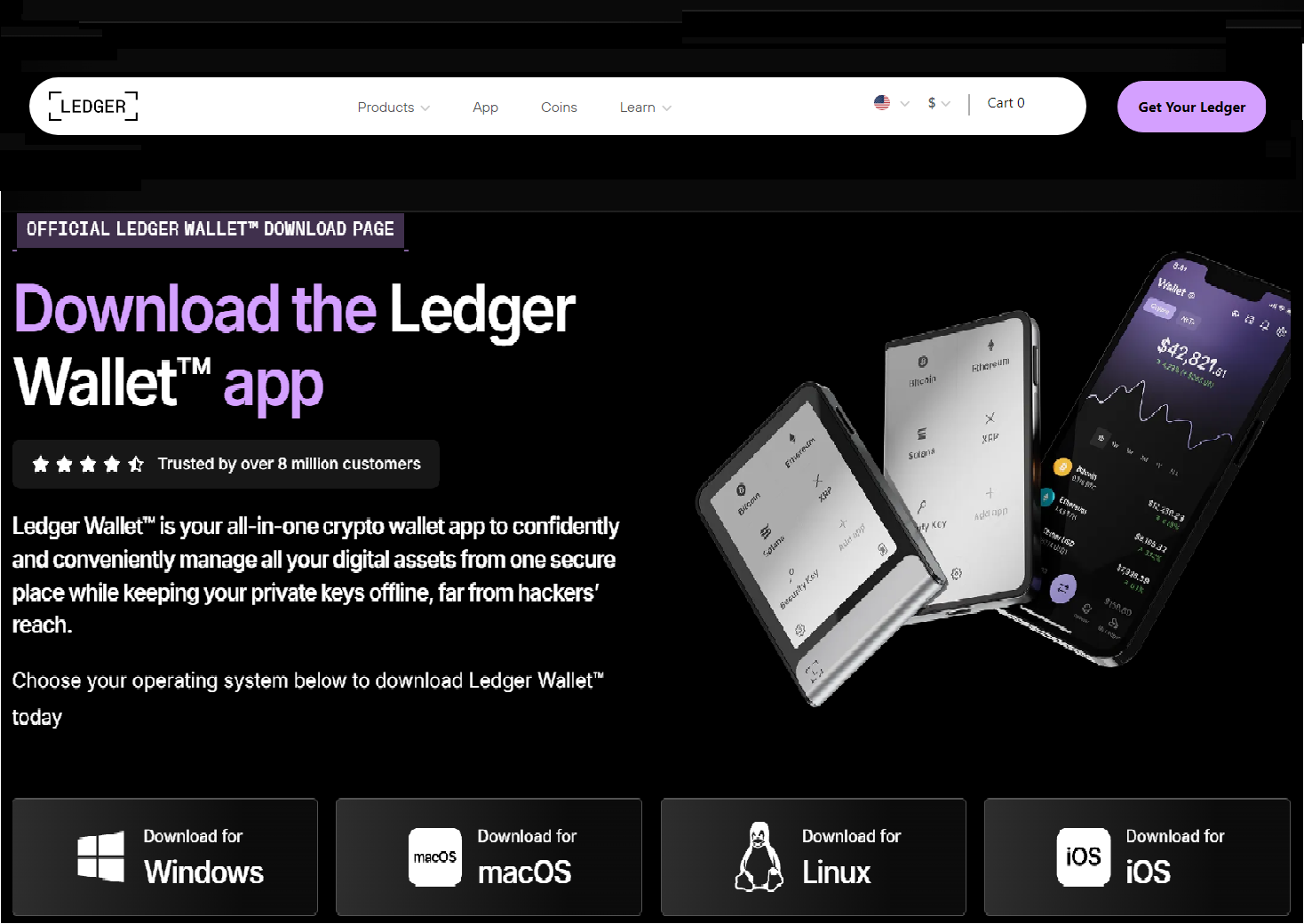
Ledger.com/start: Complete Beginner Guide for Setting Up Your Ledger Wallet
Cryptocurrency security begins with choosing reliable tools and following the correct setup process. A hardware wallet allows users to maintain control over their digital assets while adding an extra layer of protection. For new Ledger users, Ledger.com/start is the official place to begin the setup journey and learn how to connect a Ledger device with the required wallet software.
From initializing a hardware wallet to managing supported cryptocurrencies, every setup step plays an important role in creating a safer crypto-management experience.
What Is Ledger.com/start?
Ledger.com/start is the official setup page created for Ledger hardware wallet users. It helps users access setup instructions, download the required wallet application, and understand the steps needed to prepare their device.
Starting from the correct website is essential because cryptocurrency users are often targeted by fake wallet pages and phishing attempts. Some fraudulent websites may copy Ledger branding and try to collect private information from unsuspecting users.
Always confirm the website address before downloading applications or following wallet instructions.
Why Proper Ledger Setup Matters
A Ledger hardware wallet is designed to help users manage cryptocurrency while keeping important security functions connected to the physical device. A careful setup process ensures that users understand how their wallet works before storing or transferring digital assets.
Taking time during installation can help avoid common mistakes, such as downloading unofficial software or exposing confidential wallet information.
Download the Official Ledger Wallet Software
After accessing Ledger.com/start, users can follow the official instructions to install the appropriate Ledger wallet software. The application provides an interface for viewing accounts, managing supported assets, and reviewing transaction activity.
Always download wallet software from trusted Ledger sources. Avoid third-party websites, unknown advertisements, and links shared through suspicious messages.
A genuine-looking application is not always a safe application, so verifying the source is an important security habit.
Connect Your Ledger Hardware Device
Once the software installation is complete, connect your Ledger hardware wallet using the recommended method. Follow the instructions displayed by the application and pay attention to the information shown on the physical device.
The hardware wallet is an important part of the security process. When the device displays transaction or setup information, review it carefully before confirming any action.
Never approve requests that you do not recognize.
Create and Protect Your PIN
During setup, users create a PIN that helps protect access to the physical Ledger device. This PIN should remain private and should not be shared with anyone.
Choose a PIN carefully and avoid using easily guessed information. If someone gains access to both your device and PIN, they may attempt to access your wallet.
Keeping your hardware wallet secure starts with protecting basic access information.
Understand Your Recovery Phrase
The recovery phrase is one of the most important elements of a self-custody wallet. It acts as a backup method for restoring wallet access if the device is lost or unavailable.
Write down your recovery phrase carefully and store it in a secure offline location. Never save it in screenshots, online documents, emails, or messaging apps.
No legitimate Ledger representative should ask you to provide your recovery phrase. Anyone requesting it should be treated with caution.
Manage Digital Assets After Setup
After completing the setup through Ledger.com/start, users can begin exploring wallet-management features. Depending on the supported device and assets, the software can help users view balances, create accounts, receive cryptocurrency, and prepare transactions.
Learning the wallet interface before making large transfers can help users become more comfortable with the process.
Review Every Transaction Carefully
Transaction verification is an important part of cryptocurrency security. Before sending funds, check the recipient address, amount, network details, and transaction information.
Always review transaction details displayed on your Ledger device before approving them. If something does not match your intended transaction, cancel the process.
Careful verification can help reduce the risk of sending funds incorrectly.
Avoid Fake Ledger Websites and Messages
Phishing scams are common in the cryptocurrency industry. Attackers may create fake websites, emails, or support messages that appear to come from Ledger.
These scams often attempt to create urgency by claiming that your wallet requires immediate verification or that your funds are at risk.
Do not click unknown links or provide sensitive wallet information. Instead, access Ledger resources directly through the official website.
Keep Your Ledger Software Updated
Regular updates can help maintain compatibility and provide access to improvements. When updates are available, install them only through official Ledger channels.
Avoid downloading update files from random websites or accepting software suggestions from unknown sources.
Maintaining a secure software environment is an important part of responsible cryptocurrency management.
Final Thoughts
Ledger.com/start provides a trusted starting point for users setting up a Ledger hardware wallet. By following official instructions, installing genuine software, protecting recovery information, and carefully verifying transactions, users can create a stronger foundation for managing digital assets.
A secure wallet experience depends on both technology and user awareness. Use official resources, keep sensitive information private, and stay cautious when interacting with cryptocurrency-related messages or websites.
Updated about 2 hours ago